

Seven Levels of Poets: What Kind of Poetry Writer Are You?
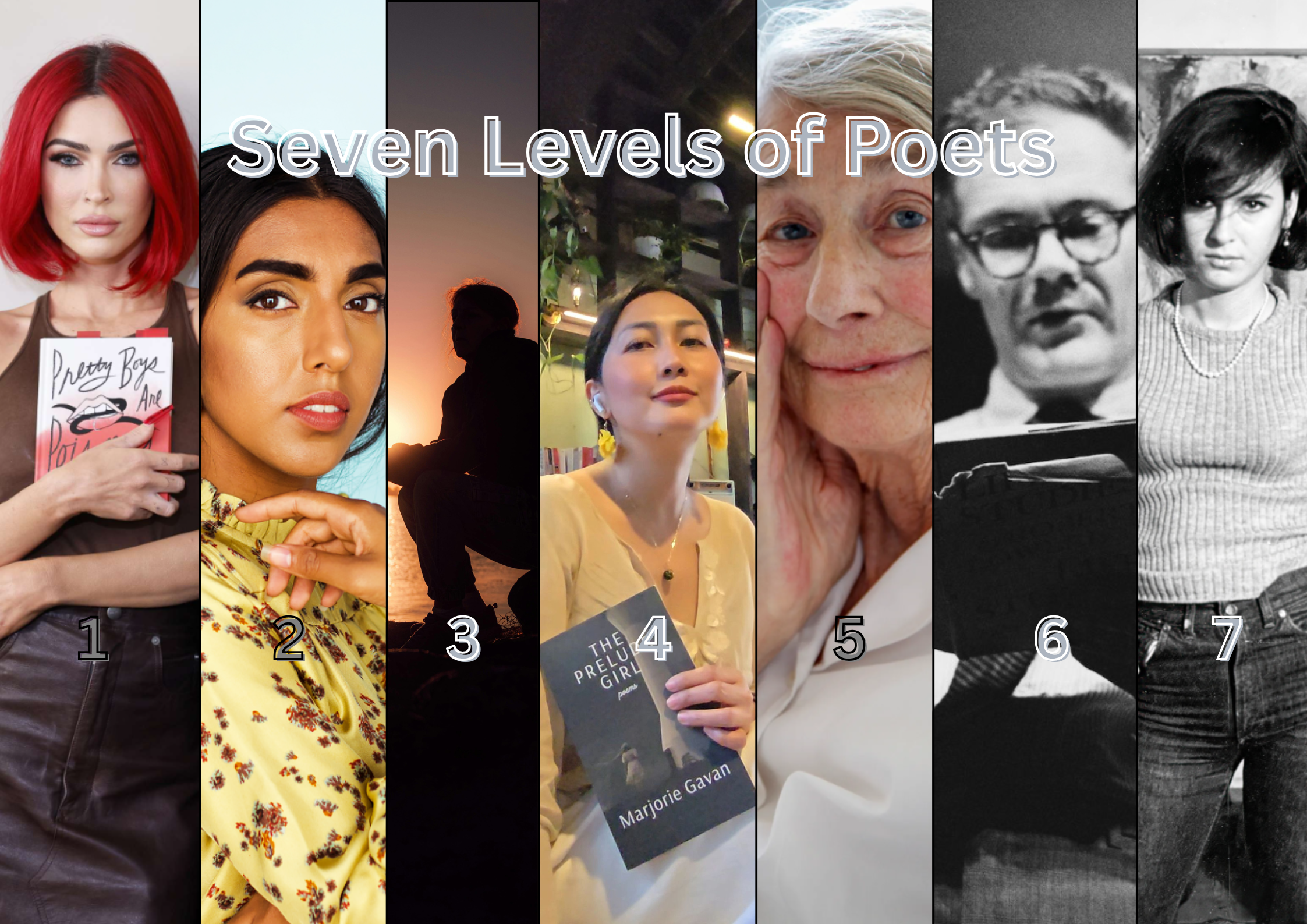
This week, we’ll be judging poets neither by their Instagram followers nor their bestseller status. But by their actual craft.
Poetry ranges from accessible verses designed for quick consumption to poetry with such vivid lyrical quality that it reshapes how we understand language itself. The spectrum is vast, and where a poet falls on it says less about their worth than about their approach, their audience, and their artistic intentions.
Here is a framework for understanding poetic mastery as a spectrum of craft, voice, and ambition. Just like last week in our Seven Levels of Fiction Writers blog post, a Level 1 poet isn't necessarily "worse" than a Level 7. They've made different choices to accomplish different things. This is for aspiring poet writers and passionate readers alike who want to sharpen their craft and appreciation of their beloved verses.
Level 1: The Celebrity Dabbler
Level 1 poets arrive at poetry through fame earned elsewhere. They bring audiences, name recognition, and often genuine emotion — but rarely the years of craft development that distinguishes practiced poet writers from enthusiastic amateurs.
Megan Fox's 2023 poetry collection Pretty Boys Are Poisonous represents this category.
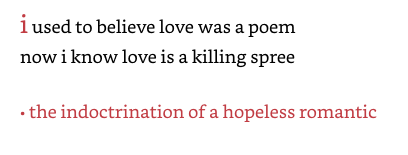
Excerpt from Pretty Boys Are Poisonous by Megan Fox.
As we explored in our previous analysis, Fox's work raises important questions about whether celebrity poetry represents authentic artistic expression or a marketing opportunity wrapped in vulnerability.
James Franco, Lana Del Rey, and countless other celebrities have published poetry collections that sell based on name recognition rather than literary merit. This isn't necessarily criticism — their work often resonates with fans and provides genuine emotional catharsis. But from a craft perspective, these collections typically lack the technical precision, innovative imagery, and structural sophistication that define more developed poet writers.
The lesson here is worth noting: platform and authenticity are not the same as mastery. A poet can be sincere and still be a beginner.
Level 2: The Accessible Versifier
Level 2 poets prioritize relatability above all else. Their work is simple, direct, and designed to be understood immediately — often in the time it takes to scroll past an Instagram post.
Rupi Kaur is the defining figure of this level. Her collections Milk and Honey and The Sun and Her Flowers have sold over 10 million copies, making her one of the best-selling poets in history.
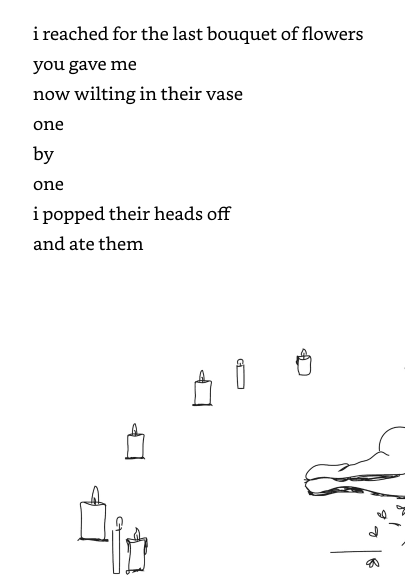
Excerpt from The Sun and Her Flowers by Rupi Kaur.
Critics have called her work "deliberately vague and imprecise for the purpose of being relatable to most people's circumstances."
The criticism is pointed: her poems "rarely use figurative language, and her metaphors and similes are instantly obvious or explained to the reader." One University of Michigan critic wrote that Kaur's poetry consists of "obvious, mildly interesting stream-of-consciousness shower thoughts in visually appealing ways."
But defenders argue that Kaur has "democratized poetry and made it a mainstream phenomenon, no longer confined to stuffy classrooms or upper-class salons." She has introduced millions of young readers to verse who might never have picked up a poetry collection otherwise.
Other poets at this level include Atticus, R.H. Sin, and the broader "Instapoetry" movement. Their work is crafted for rapid consumption — bite-sized emotions that fit perfectly in a social media feed.
Level 3: The Competent Craftsperson
Level 3 poets understand the technical foundations. They've studied form, experimented with structure, and developed consistent voices. Their work appears in literary journals, university publications, and small press anthologies. They execute cleanly without yet achieving the distinctiveness that separates craft from art.
These are the poets who attend workshops, refine their submissions, and steadily build portfolios. They understand meter, line breaks, and imagery. They can identify and employ literary devices with confidence. What they often lack is the ineffable quality that makes a reader stop and reread — that sense of encountering something genuinely new.
This level includes many MFA graduates, working poets, and serious hobbyists. Their work won't embarrass them, but it also won't shock anyone. They're the reliable session musicians of the poetry world: skilled, professional, and unlikely to be the reason anyone buys the album.
Level 4: The Emerging Voice
At Level 4, something shifts. The poetry develops genuine personality and artistic ambition. These poets demonstrate technical competence plus distinctive vision — a combination that produces work worth seeking out.
Our very own Marjorie Gavan, Haribon Publishing's poet writer and author of The Prelude Girl, is at this level. Her poetry demonstrates sophisticated craft: extended metaphors, narrative complexity, emotional depth masked by deliberate ambiguity.
What distinguishes Gavan's work is its cryptic layering. Poems that appear romantic on first reading reveal themselves to be about friendship, loss, or self-reclamation. Take "In the Margins," which reads like a love poem gone wrong until you understand it addresses a toxic friendship: “Did you really believe you could take from my vessel without ever causing a drought?”
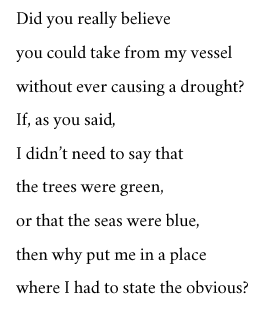
Excerpt from The Prelude Girl by Marjorie Gavan
The "vessel" imagery, the water metaphor extended across stanzas, the accusatory directness balanced against poetic restraint — these are the hallmarks of a poet writer who has moved beyond competence into genuine artistry. Her vocabulary is sophisticated ("dolorous," "sojourn," "enfeebles"), her line breaks deliberately, her emotional register controlled even when raw.
Gavan's collection explores what she calls being "a prelude girl" — someone treated as a placeholder before "the one" arrives. But her poems transcend their biographical origins. "The Red Thread" kind of rewrites folk mythology (but who knows if it’s folk mythology?). "Sauver" employs classical allusions with confidence. "Diplomat" creates atmosphere through imagery alone.
This is also a poet writer who maintains a blog at coffeehan.com and is currently developing fiction — the kind of cross-genre ambition that often marks writers ascending through these levels.
Level 4 poets have found their voices. What separates them from higher levels is often simply time, continued development, and the accumulation of a body of work significant enough to cement their reputations.
Level 5: The Beloved Poet
Level 5 poets achieve something rare: widespread readership without sacrificing craft. They write poems that both general audiences and literary critics can admire — no small feat in a world where accessibility and artistry are often positioned as opposites.
Mary Oliver is the defining figure here. Winner of both the Pulitzer Prize and the National Book Award, she was "by far, this country's best-selling poet" according to The New York Times. Yet critics have debated whether her accessibility makes her "embarrassing" to mention in academic circles.
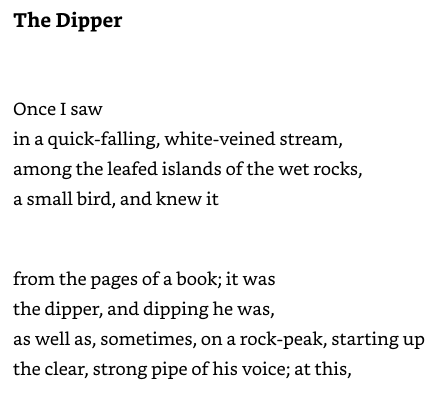
Excerpt from Owls and Other Fantasies: Poems and Essays by Mary Oliver.
Oliver's work is "characterized by accessible language and poignant introspection." She celebrates the natural world with what one critic called a "Blake-eyed revelatory quality." Her poem "Wild Geese" has become one of the most shared poems of the digital age.
Yet some argue her poetry is "overly pious" with "an overt holier-than-thou attitude." Others dismiss her as "middlebrow, accessible, placatory."
This tension — beloved by millions, questioned by gatekeepers — defines Level 5. These poets prove that accessibility need not mean simplicity, and that reaching wide audiences is its own form of mastery.
Level 6: The Confessional Master
Level 6 poets don't just write excellent work — they transform how poetry is understood. They create movements, establish schools, and influence generations of writers who follow.
Sylvia Plath is the iconic example. Her confessional poetry "broke away from prior poetry" by investigating "new poetic styles in which poets express their inner sentiments and unsaid words."
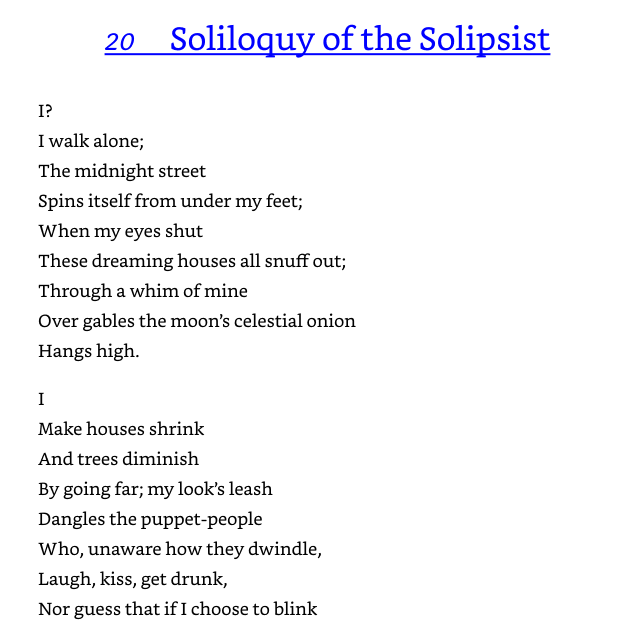
Excerpt from The Collected Poems by Sylvia Plath.
Poems like "Daddy" and "Lady Lazarus" confront personal trauma with technical precision, using "war-related imagery and grotesques to deflect from the intimate details of her life while making the exact emotional authenticity."
Plath's work demonstrates "an incredible grasp of meter that helps pace her poetry and give it a lyrical quality when read aloud." She combines "formal poetic skill with deeply personal subject matter."
Anne Sexton, Robert Lowell, and John Berryman belong here as well — the confessional movement that made private anguish public art. Their influence extends far beyond their own pages. Contemporary poets still work in their shadows, still wrestle with the questions they raised about vulnerability, craft, and the relationship between art and autobiography.
Level 6 poets reshape the landscape. After them, poetry is different.
Level 7: The Poet Immortal
Level 7 is reserved for poets whose work transcends genre, era, and even their own biographies. These are the writers who make other poets despair — or aspire.
Louise Glück, who won the 2020 Nobel Prize in Literature, is the epitome of this level. The Nobel Committee praised "her unmistakable poetic voice that with austere beauty makes individual existence universal." She was the first American poet to win the Nobel since T.S. Eliot in 1948.
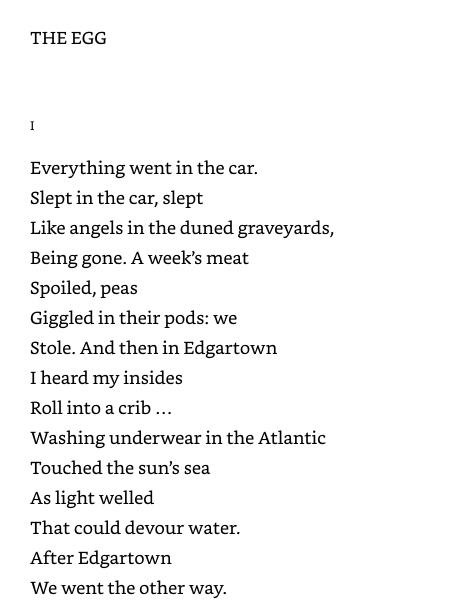
Excerpt from Poems 1962-2012 (Los Angeles Times Book Award: Poetry) by Louise Glück.
Glück's poetry demonstrates "a striving for clarity" where "nobody can be harder than she in confronting the illusions of the self." Her work draws on "myths and classical motifs" while maintaining an "intimate voice that invites participation."
As the Nobel presentation speech noted: "Louise Glück is not only engaged by the errancies and shifting conditions of life, she is also a poet of radical change and rebirth, where the leap forward is made from a deep sense of loss."
Other Level 7 poets include Derek Walcott, Seamus Heaney, Pablo Neruda, and Wisława Szymborska — Nobel laureates whose work defines what poetry can achieve. At this level, the poems become monuments. They enter the permanent cultural conversation.
What Level Should You Aim For?
Higher isn't always better for your purposes.
If you want to reach millions with messages of self-love and healing, Rupi Kaur's approach might serve you better than Louise Glück's austere precision. If you're processing trauma and seeking catharsis, raw authenticity might matter more than technical virtuosity. If you're building a career as a working poet, steady craft development through Levels 3 and 4 might be more practical than chasing Level 7 transcendence.
The framework reveals that poetic mastery is a toolkit to expand. The best poets know when to deploy each approach — when to be simple and when to be complex, when to be accessible and when to be challenging.
As Marjorie Gavan demonstrates in The Prelude Girl, the key is honesty to your material. Her poems about heartbreak and friendship don't strain for effects beyond their emotional scope. They achieve their power through precision, through the right image at the right moment, through the discipline of saying exactly enough and no more.
The Poet Writer's Real Question
Every poet eventually asks: What kind of verse do I want to write?
Well, go for "the most honest."
Rupi Kaur writes honestly for readers who need simple affirmation. Mary Oliver wrote honestly for readers seeking communion with nature. Sylvia Plath wrote honestly for readers who needed to see their darkest feelings named. Louise Glück writes honestly for readers who want to confront existence without consolation.
Your level isn't a permanent ranking. It's a choice you make with every poem. Choose wisely, and choose honestly. That's the only way any poet writer earns the right to be read.